
The Talents in Residence Program
Want to become a
Talent in Residence?
The first Open Call is now closed.
Next call for applications: 15 June - 12 July 2026
Talents in Residence (TiR) is the programme promoted by Polifactory since 2015, aimed at supporting the development and prototyping of ideas developed by young designers at Politecnico di Milano. It is an opportunity offered free of charge to students of Master’s Degrees in Design, Mechanical Engineering, Electronics, Information Technology and Bioengineering, to support the development of their thesis projects.
The residency is based on an experimental and peer-to-peer learning model, which allows designers to test and materialise their ideas: from prototyping a product solution or some of its parts and components, to experimenting with IoT solutions through physical computing, to experimenting with technologies or processes for digital manufacturing.
To date, over 70 students have joined the program and successfully developed their thesis projects.
Participating in the Talents in Residence program means taking part in an experience that allows to:
- Discover and experiment with the various practices inherent to digital making and manufacturing.
- Earn the operating principles of places such as makerspaces, including their operational, social, and collaborative dynamics.
- Become part of an interdisciplinary community of innovators, getting to know and collaborating on an equal basis with other students, teachers, and researchers from different disciplines.
- Assist the team in organizing scientific, experimental, and cultural activities.
Thematic Areas
Students enrolled in the Master’s Degree programs of Politecnico di Milano in Design, Mechanical Engineering, and Electronics, Information and Bioengineering can apply to the Talents in Residence program by choosing one of the Research Lines proposed by Polifactory and illustrated below.
For those who are instead looking for a thesis supervisor for the development of a project not related to the themes proposed by Polifactory, we recommend consulting the thesis board of their respective School.
On an annual basis, Polifactory defines a set of Thematic Areas that can be implemented through research projects, experimental initiatives, and cultural and/or educational activities.
There are currently four active Thematic Areas at Polifactory. Applicants to the Talents in Residence program must ensure that their project is relevant to one of the Thematic Areas described below:
Area 1. Urban transitions and more-than-human cities
This thematic area explores the transformation of urban metabolisms and urban regeneration processes according to the principles of circularity, sustainability and inclusion, and the role of nature in improving the health and well-being of all living beings. It places special emphasis on behavioural change by individuals and organisations as activators of social and environmental impact.
To respond to these design challenges, the expected thesis proposals within this line of research range from the design or re-design of objects according to the principles of circularity, to the design of tools to improve resilience or citizen participation, or the development of product-services that foster the human-nature relationship and a more-than-human urban regeneration.
Thesis examples - Area 1
- Design and digital fabrication for zero waste: projects that explore the potential of digital fabrication both for the development of formal solutions aimed at reducing waste and scrap, and for the creation of bio-based or secondary raw materials derived from bio-fabrication processes or from the recovery of secondary supply chains and waste.
- Design for closing the loop: : products-services related to open production models and urban manufacturing systems, to prevent, reduce or valorise waste by innovating waste management chains.
- Design for urban metabolisms: IoT product-services dedicated to tracking the flow of materials, products and energy in cities, to support the urban circular economy.
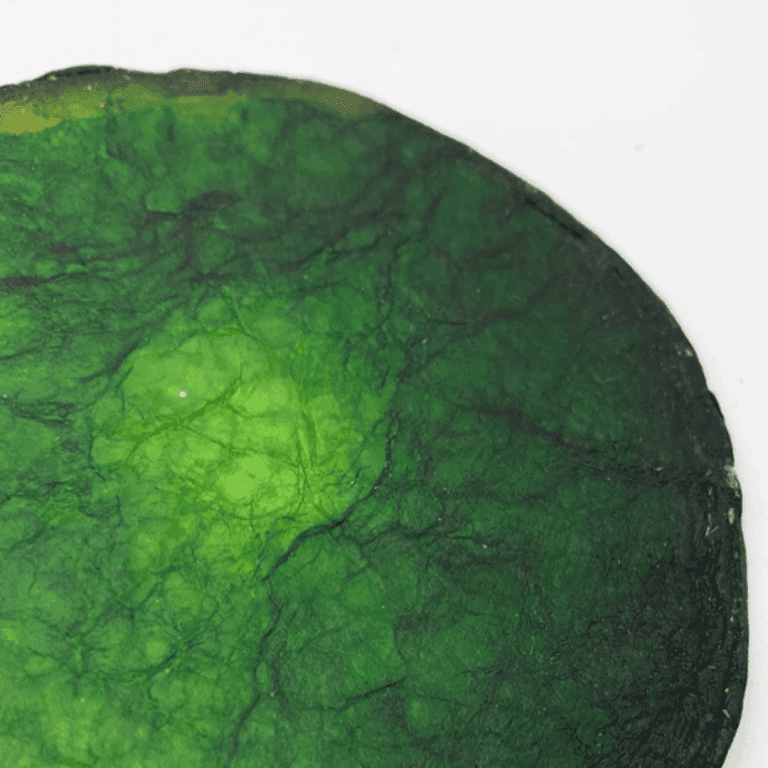
Area 2. Design and empowered fabrication
This thematic area explores the relationship between design, digital fabrication and the evolution of the world of materials in relation to digital transformation and the transition to a circular economy. This is an area in which design research is strongly focused on experimentation with digital fabrication materials, technologies and processes.
In order to meet these design challenges, the thesis proposals expected under this line of research range from product innovation, where materials are designed using digital technologies or become smart, to process innovation where materials, particularly bio-based materials, experiment with bio-manufacturing processes or are produced from waste and scrap.
Thesis examples - Area 2
- Design and digital fabrication for augmented users: product-services for body empowerment, developed by experimenting with digital design and fabrication processes and exploring the combination and integration of digital components (hardware and software) in the realisation of new smart artefacts.
- Design for growing materials: projects that explore the potential of growing materials (e.g. mycelium and kombucha growth) also by experimenting with digital fabrication processes, with the aim of increasing performance and application possibilities in the production field.
- Design for experimental additive manufacturing: projects that explore additive manufacturing in the use of functional materials (e.g. heat and/or UV-resistant, from recycled supply chains, etc.) and fluid-dense materials (e.g. technogel, extrusion pastes, etc.) in various application fields, up to the design and prototyping of production processes for new classes and types of artefacts.
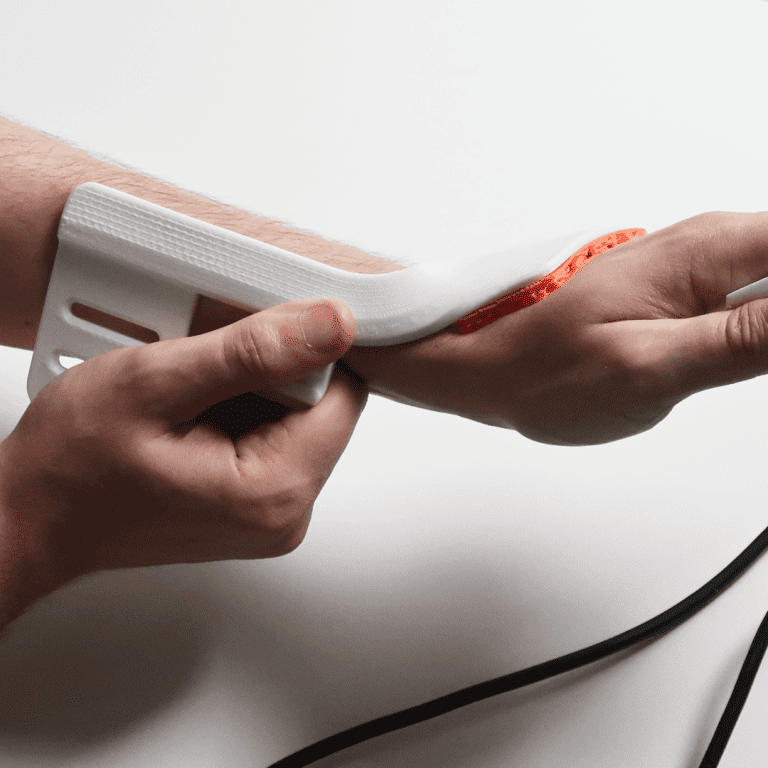
Area 3. Impactful healthcare and care systems
This thematic area explores the relationship between design and healthcare in a perspective of open and participatory innovation, which sees the involvement of patients, caregivers and social-health structures in co-design processes aimed at responding to needs and challenges related to the prevention, treatment or management of chronic pathologies or disabilities.
To respond to these design challenges, the thesis proposals expected under this line of research could consist of personalised product-services for the management of home care or disability; smart product-services for the prevention and monitoring of chronic diseases; solutions that foster collaboration between patients, caregivers and the healthcare system in both home and hospital settings; or tools aimed at fostering wellbeing, inclusion and the centrality of the individual from a social, relational and emotional point of view.
Possibili tesi di ricerca - Area 3
- Participatory design for patient innovation: products-services conceived in collaboration with patients, associations, specialists and caregivers to increase the social inclusion of people with chronic and rare diseases.
- Design for self-care and prevention: product-services to support prevention, screening or self-monitoring of one’s own state of health, or to support rehabilitation.
- Design for a patient-centered culture: tools and methods that support caregivers, care centres, patient associations to design care models with a patient-centred approach.
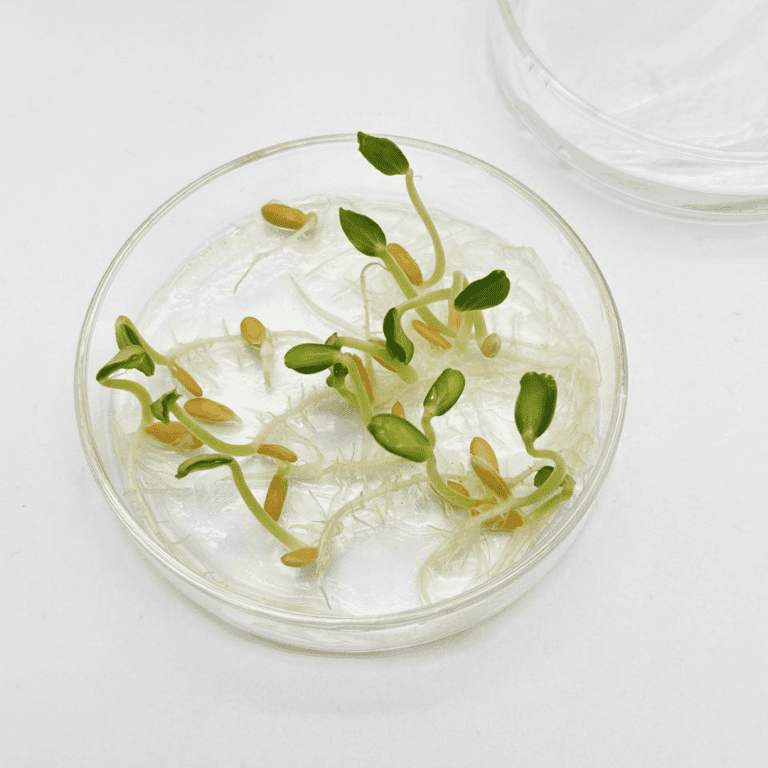
Area 4. Design for just food transitions
This thematic area investigates the intersection between design and food systems, aiming to support the transition of cities towards more sustainable, healthy, and equitable food models. By leveraging participatory practices, open and distributed technologies, circular design principles, and a systemic approach, it seeks to develop solutions that contribute to redefining how food is produced, processed, distributed, consumed, and valued, addressing the challenges of contemporary food systems while considering the needs and behaviors of both humans and non-humans.
In response to these challenges, thesis proposals within this research area may include projects exploring new methods and tools for designing circular, city-scale solutions for food production, distribution, processing, consumption, and waste valorization. Other potential directions include product-service systems aimed at protecting biodiversity, combating climate change and food waste, or developing innovative models for food donation.
Students engaging in this thematic area will have access to the resources and expertise of the Circular Food System Lab (CFS Lab).
The CFS Lab is a multidisciplinary, modular research platform established by the Department of Design at the Politecnico di Milano, in collaboration with the Departments of Mechanical Engineering and Electronics, Information and Bioengineering.
One of its three modules, Circular Design for Food Systems, is physically integrated within Polifactory and focuses on research, circular design, and prototyping of interactive product-service systems dedicated to food systems innovation.
For further information, please visit the CFS Lab website.
Possibili tesi di ricerca - Area 4
- Design against food waste: solutions for the collection, recovery, and valorization of food waste and by-products, including intelligent food-sorting processes.
- Design for just and inclusive food systems: Solutions that promote inclusivity within food systems, from food donation and redistribution initiatives targeting vulnerable or disadvantaged groups, to new models of urban food production that are conscious, inclusive, and fair.
- Design for circular farming: solutions for precision agriculture, vertical farming, and other emerging forms of indoor and outdoor cultivation in urban contexts, with a focus on food resource traceability and the protection of agricultural production in the face of climate change.
- Design for smart food processing: solutions for the transformation of alternative and emerging food resources (e.g., plant-based foods) through smart technologies and digital manufacturing processes.
Open Call
Applications for the Talents in Residence program take place through specific open calls, which will be launched three times a year, in the months of September-October, January-February, and June-July.
Each Open Call will last 4 weeks, and applications received will be evaluated within 15 days after the call’s closure. Each call will specify the maximum number of participants admitted, depending on available capacity and space.
It will be possible to submit your application outside the official Open Call windows using the form available below by clicking on APPLY (next section below). Such applications will be considered only in the event of available spots within the makerspace.
How to Apply
Application procedure
- Review the list of Thematic Areas and identify the one that best matches your profile.
- Through the Polifactory website, in the dedicated section, complete the application form and attach your CV and portfolio (in any preferred format).
- If selected, you will be invited to a short interview to discuss your application in detail and formally initiate your residency period.
At the end of the process, the outcome of your application will be communicated via email, either confirming acceptance or notifying rejection.
Proposal selection criteria and residency conditions
The submitted proposals will be evaluated individually according to the timelines indicated above.
To be considered eligible for the programme, applicants must:
- Be submitted at least 6 months before the hypothetical graduation session chosen.
- Involve the development of a research thesis and not a consolidation thesis.
- Address one of the Research Lines proposed by Polifactory.
- Involve the development of a project that includes tangible/material components.
- Involve the development of a project that can be at least partially prototyped using the tools and technologies available at Polifactory.
The period in Residence includes a minimum duration of 3 months and a maximum duration of 9 months.
During this period each Talent will have a maximum number of 15 hours of support from Polifactory staff members, and is required to be present in the laboratory for at least 3 days a week.
During the Residency period, the Talent will also have the opportunity to actively contribute to the Open Polifactory public engagement program and to any research activities carried out within the space.
The starting date of the residency period will be established with the admitted candidates according to the progress of their project, and in any case not before the research phase of the project has a clear direction and/or is at an advanced stage.
Contatti e info
If you have any doubts or need more information? you can send an email to polifactory@polimi.it
Meet the Talents
Explore the profiles of the Talents in Residence who have contributed to Polifactory’s community and projects since 2015.
The gallery is temporarily available only in the Italian version of this page. We’ll add the English version soon.